
The second case was opened in June on the charge of “propaganda against the establishment” and remains at the preliminary investigation stage, the sources said.
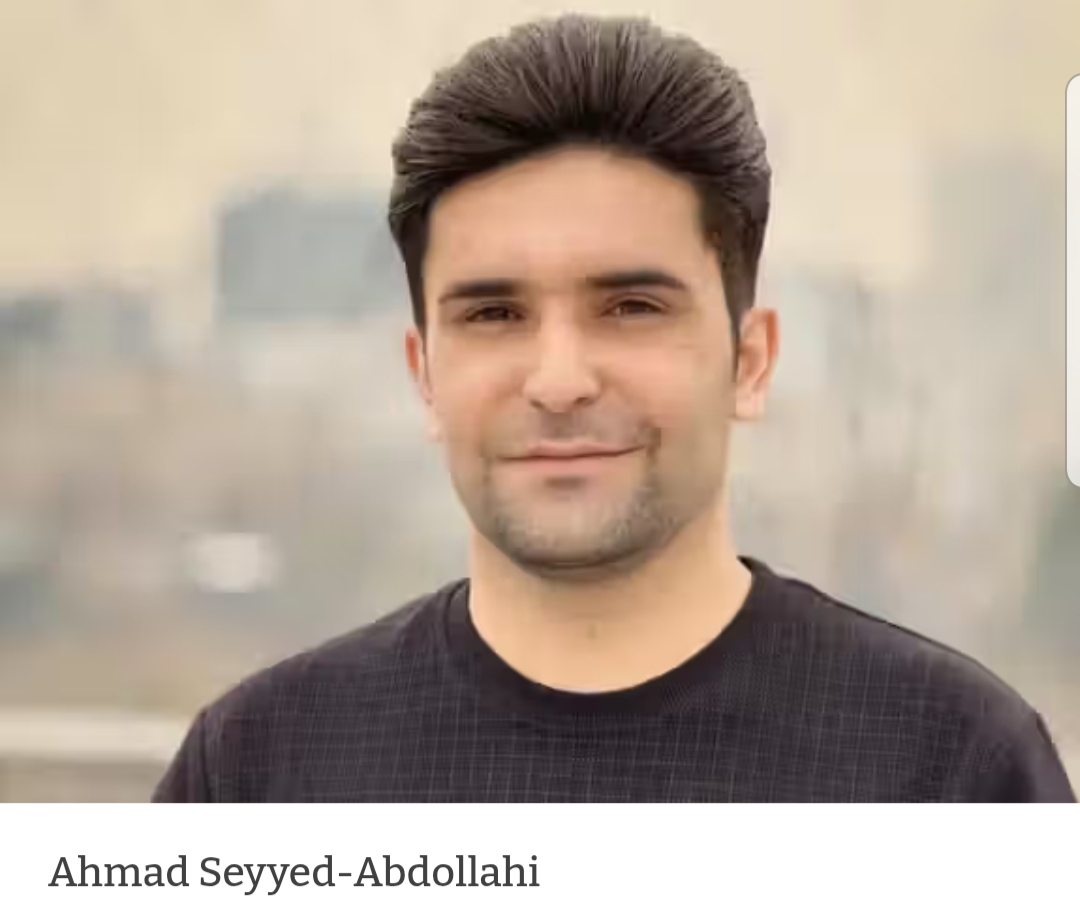
Seyyed-Abdollahi, 32, posted the English-language video on January 4, two days after Trump warned that the United States would come to the aid of peaceful protesters if Iranian authorities opened fire on them.
In the video, Seyyed-Abdollahi urged Trump to act quickly, saying many young Iranians had trusted his words and that help would come too late for those killed.
He added that Iranians would remember those who helped them and would seek to repay their friends in the future.
Seyyed-Abdollahi was first arrested on January 14, ten days after posting the video.
He was held for about two months in solitary confinement at Borujen Prison and an intelligence detention facility operated by the Islamic Revolutionary Guard Corps in Isfahan.
He was released on bail on March 10.
Branch One of the Borujen Revolutionary Court later convicted him of “engaging in media activities against national security,” sentenced him to seven months in prison and barred him from government and public services for five years.
He was detained again on July 7 to begin serving the sentence and transferred to Borujen Prison in southwestern Iran’s Chaharmahal and Bakhtiari province, where he remains incarcerated.
Seyyed-Abdollahi was denied access to a lawyer of his choosing during his detention and was at times prevented from contacting his family, according to the sources.
He was among several Iranians who appealed directly to Trump for help during the nationwide protests.
Videos sent to Iran International showed one woman holding a sign reading, “Trump, a symbol of peace. Don’t let them kill us,” while another protester urged him to “do something” as security forces opened fire in Yazdanshahr in Isfahan province.
A protester in the northeastern city of Mashhad also addressed Trump directly and appealed for help during the crackdown.
Trump repeated his warning on January 9, telling Iranian authorities: “You better not start shooting because we’ll start shooting too.”
On January 13, he urged Iranians to continue protesting and wrote that “help is on its way.”
Iranian authorities crushed the protests with lethal force and carried out mass arrests.
The US-based rights group HRANA has reported that more than 50,000 people were arrested during just over six weeks of protests and the ensuing crackdown.
Authorities have since intensified their use of the death penalty against protesters. UN human rights chief Volker Türk said Wednesday that Iran had executed at least 56 people on national security-related charges since March 19, including 27 in cases linked to the January protests.
Amnesty International says at least 60 protest-related defendants, including three who were arrested as children, remain at risk of execution.
Written by Pooya Jahandar from Iran international
Rewrite by # ibraBah # from illuminationmedia.net